rng casino games vs live: what Aussie punters actually get and what it costs
When you’re weighing rng casino games vs live, the choice usually comes down to how much control you want over pace and how much you care about a human element at the table. I’ve spent twenty-five years inside gaming operations and three decades working across creative product development, so I’ve watched both sides mature from rough prototypes into polished platforms. The truth is neither format is automatically better; they suit different sessions, different bankrolls, and different temperaments. If you’re after a quiet arvo spin with predictable mechanics, software-driven titles have their place. If you want the cadence of a real croupier and the slight tension of a shared table, live offerings carry that weight. The trick is knowing where each one earns its keep and where it quietly asks you to pay more in time or terms.
Where the software side actually delivers
The software side wins on consistency and pace. An rng casino game runs on a certified random number generator, which means every result is independent and the house edge is baked into the maths rather than a dealer’s rhythm. For slots and digital table variants, that translates to faster rounds, stable bet sizing, and the ability to play across a phone or laptop without waiting for a seat. From my product background, I’ve seen how a well-tuned interface can keep a session smooth without overpromising what the maths can deliver. The trade-off is that speed can flatten the experience into something functional rather than memorable, and the same money can cycle through the handle many times before a win registers. If you’re placing a small flutter to pass an evening, that efficiency is a genuine strength. If you’re chasing atmosphere, the screen can feel a bit hollow.
Live tables and the human factor
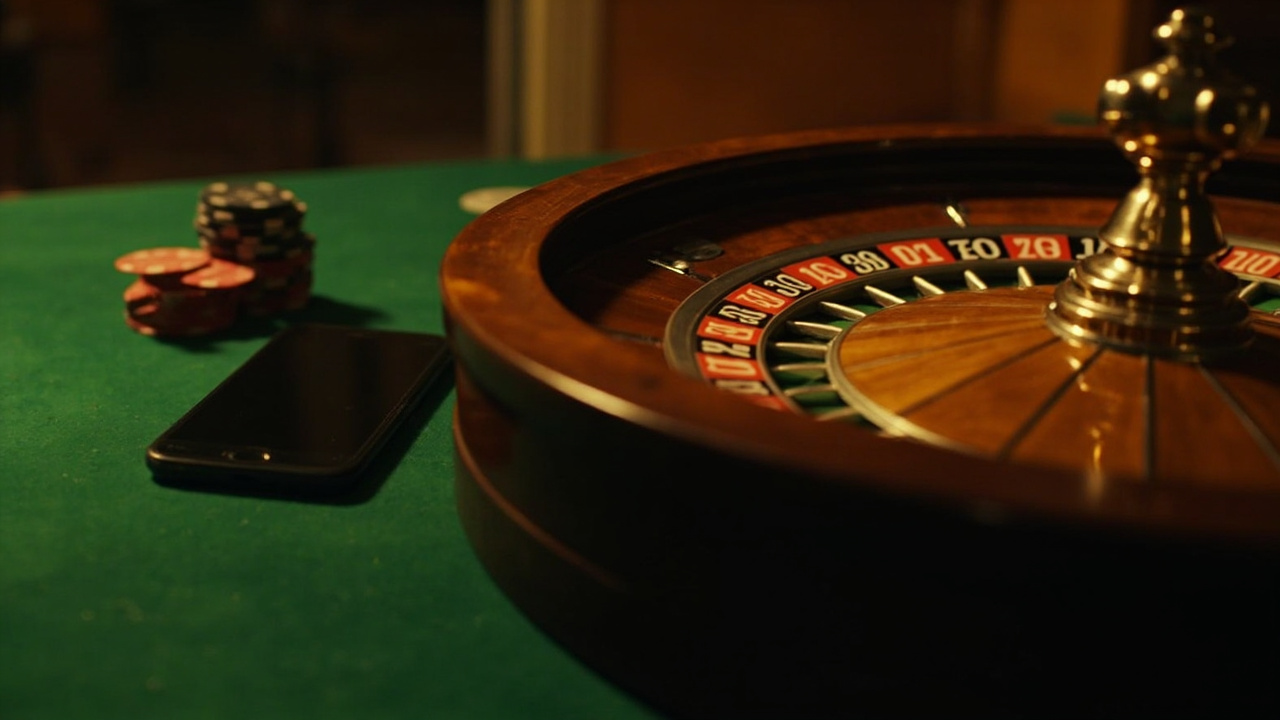
Live tables bring a croupier, a physical wheel or cards, and a pace that’s easier to read at a glance. For Australian players, that often means a more familiar rhythm, especially on roulette variants where the dealer calls the outcome and the camera follows the action closely. I’ve judged platform builds where the live stream quality and bet timing windows made the difference between a session that felt grounded and one that felt clunky. The downside is that live games run on real time, so rounds take longer, bet limits can be tighter at busy hours, and the same spin costs you more in patience than a software equivalent. There’s also the matter of moving money into the session cleanly; if you’re sorting live roulette deposits by bank transfer, you’ll want to check processing windows and any per-transaction caps before you sit down, because a delayed funding step can break the flow of a live table more than it would a digital one. Live roulette deposits by bank transfer
Bonus terms and how they shape the session
Promotions are where the two formats often diverge in practice. A welcome offer usually splits its contribution by game type, and that split matters more than the headline number. Slots and software table games frequently contribute fully to a play-through, while live dealer titles can carry a lower contribution rate or a separate cap. In my experience reviewing product mechanics, I’ve seen offers that looked generous on the surface but quietly steered you toward one format to clear the wagering. Eligibility rules, recurring promos, and loyalty tiers all shape how long a bonus actually stays useful. A weekly reload might keep a software session going, while a live table player may find the same offer less efficient if the contribution percentage is trimmed. Read the wagering, the game weighting, and any max-bet limits during the bonus period before you treat the number as real value. https://elvis-frog-trueways-demo-au.com/

Picking the right fit for your session
The practical call comes down to what you’re trying to get out of the evening. If you want fast, repeatable rounds with stable bet control and a clear view of the maths, the software route is defo the cleaner fit. If you prefer watching a wheel or cards land in real time and don’t mind a slower pace, live tables carry that social weight. I’ve always treated the choice as a platform judgement rather than a verdict on quality: a well-built rng product and a well-run live studio solve different problems. Keep your bankroll in metres of play rather than a single session, and remember that a ringie at a two-up ring keeps the pace honest in a way a screen never will. Hobart pubs and local clubs still run that kind of floor rhythm, and it’s a useful reminder that pace and transparency matter wherever you play.
- Handle: the total amount wagered over a period, which can be much larger than the actual win because money is recycled through repeated bets.
- Flutter: a small, casual bet, often used for a short session or a low-stakes spin.
- Ringie: the ringkeeper who runs a two-up ring, calling the pace and keeping the floor orderly.