When the casino crown scandal australia broke open, a lot of punters watched from the sidelines and wondered how much of it actually touched their own Saturday night plans. The short version is that a few high-profile operators ran into serious compliance trouble, and the whole thing turned into a reminder that the local market is watched closely by state-level regulators. If you’re signing up to a new platform, the practical question is less about headlines and more about how the interface, localisation, and everyday usability hold up when you’re actually trying to play.
How a real session unfolds on a modern casino
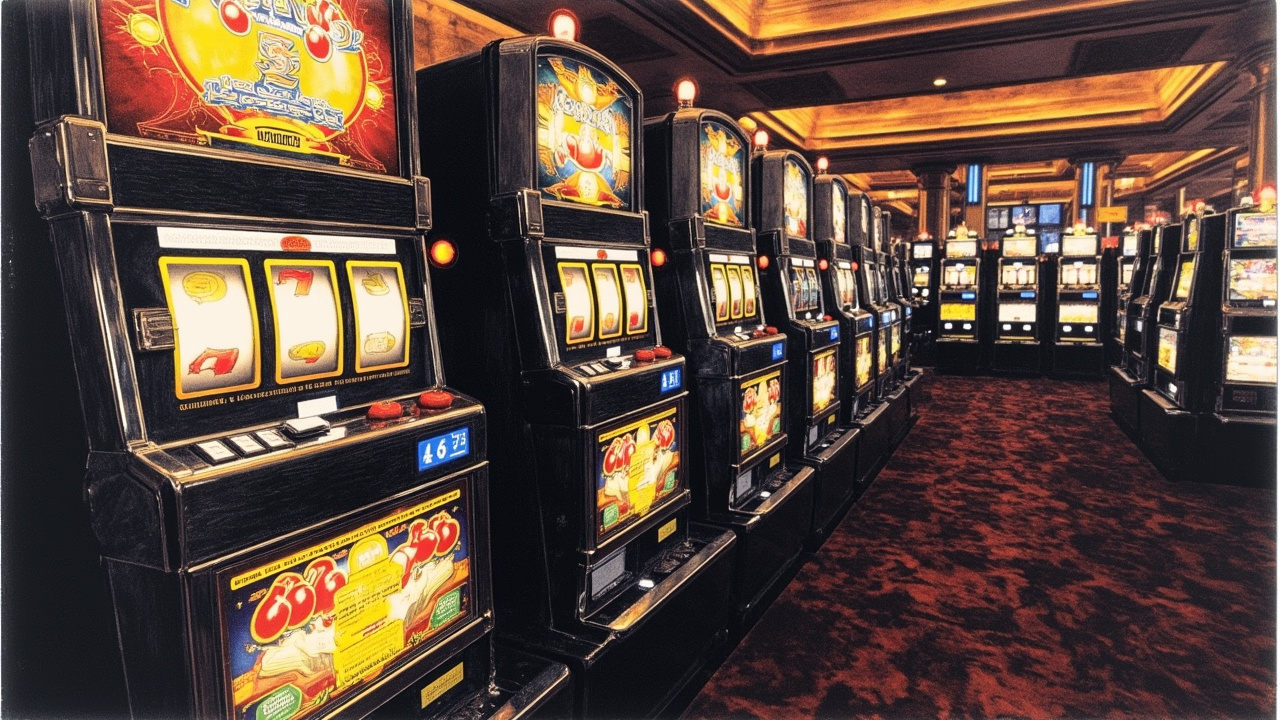
The first thing you notice is the visual identity and navigation. A clean lobby should let you find table games, pokies, and live dealer options without digging through pop-ups or stacked banners. Currency and language need to be set to AUD and Australian English by default, not buried under a settings menu that assumes you’re in another region. Search should surface titles by provider or category quickly, and the structure should feel consistent from registration through to the cash-out screen. When you register, the form should ask for what it needs and nothing more, with clear prompts for ID, address, and payment details so you’re not guessing which fields are mandatory. Mobile matters here too, because most local players start an arvo session on a phone, and a site that only feels tidy on desktop is doing half the job. Support should be easy to reach if a deposit stalls or a bonus term needs a second read, and a loyalty ladder that actually shows progress keeps everyday play from feeling like a dead end.
In my time running affiliate and influencer programs from both the publisher and advertiser side, I’ve seen plenty of brands that looked sharp in a launch campaign but fell apart the moment a player tried to move money. A polished homepage doesn’t tell you whether verification is straightforward or whether the cashier behaves when you’re not a whale. That’s the judgement call worth making early.
Interface, localisation, and the small friction points
What the lobby and cashier should do
A usable lobby groups games in a way that matches how people actually browse, not how a marketing team imagines they browse. If you’re after a specific provider or a certain style of pokies, the filters should respect that without making you reload five times. The cashier needs to show deposit and withdrawal options in plain language, with AUD as the working currency and no surprise FX line items hiding in the fine print. Registration should feel like a single sensible flow, and mobile should mirror the desktop layout closely enough that you’re not relearning the screen every time you switch devices. When localisation is done properly, the whole thing reads like it was built for the local market rather than translated in a hurry.
One common misconception is that a flashy skin betting angle using in-game cosmetic items is just another harmless way to play. The reality is more nuanced, because that grey-market territory has drawn real controversy and doesn’t sit neatly alongside a properly licensed casino product. It’s a different conversation, and it’s worth keeping the two things separate when you’re judging a platform.
Where totals betting and support fit in
Some players also like to cross over into sports-style markets, and that’s where totals betting – wagering on combined points, goals, or runs – shows up as a familiar option for people who want something beyond a single pokie spin. It’s not the main event on a casino site, but when it’s offered cleanly, it can feel like a useful extra rather than a clutter item. Support should be reachable without a scavenger hunt, and a loyalty program should make sense at ground level: clear tiers, visible progress, and rewards that don’t require a maths degree to understand. In a market like this, slow transfers get flagged fast, so it’s worth comparing timing against notes on Perth gambling forums before you assume a cashier is fine on a quiet test. If you want a broader sense of how racing and sports coverage frames local betting culture, Racing.com is one place locals already look, and for longer-form analysis on industry conduct you can read Inside Story without needing a marketing spin.
Ava Wright, Sports Betting Analyst, Yarra Gaming Lab, put it plainly: “Totals markets work best when the interface treats them like a normal bet, not a side quest, because that’s how regular punters actually read them.” Charlotte McKenzie, Payments Strategy Director, Bondi Sports Data, was more cautious: “Localisation is only as good as the payment flow behind it, and AUD clarity plus honest timing beats a slick promo every time.”
Why the scandal is really a usability lesson for punters
The casino crown scandal australia isn’t just a compliance story; it’s a reminder that a platform’s everyday usability is where trust gets built or lost. If navigation is messy, if registration asks for the wrong things, if the cashier hides its timing, or if support feels like a locked door, the problem isn’t abstract – it’s the moment you’re trying to play and can’t. State-level regulators keep an eye on conduct, but they don’t run your session for you, so the practical test is whether the site behaves when you’re a normal player with a normal bankroll. That’s the angle worth keeping front and centre.
Zoe Brown, Customer Experience Lead, Murray River Gaming Research, summed up the local read: “Players forgive a lot, but they don’t forgive a cashier that goes quiet when money is moving, and that’s where a platform’s reputation actually lives.”
Verdict
If you’re sizing up a casino after all the Crown headlines, focus on the boring bits that affect a real session: clear AUD localisation, navigation that doesn’t make you hunt, registration that asks sensibly, mobile that matches the desktop experience, and support you can actually reach. A polished pitch means little if the cashier or loyalty flow drops the ball when you’re playing for keeps.